

مقالهی سیدحسین موسویان، دیپلمات سابق ایران و تحلیلگر مسائل بینالملل که در مقاله مجله دانشمندان اتمی آمریکا منتشر شده را در ادامه بخوانید:
حمله بعدی به ایران؛ چگونه فشارهای حقوقی، اقتصادی و دیپلماتیک منطقه را برای جنگی دیگر آماده میکنند؟
پرونده هستهای ایران وارد مرحلهای تازه و بالقوه بسیار خطرناک شده است. تهدیدهای مکرر آمریکا و اسرائیل درباره حمله مجدد به زیرساختهای هستهای ایران ـ بهویژه مجتمع جدید زیرزمینی کوه کلنگ که ایران ساخت آن را در سال ۲۰۲۰ بهطور رسمی اعلام کرد ـ اکنون با افزایش فشارهای دیپلماتیک همزمان شده است. آژانس بینالمللی انرژی اتمی بار دیگر ایران را ناقض تعهدات پادمانی اعلام کرده و پرونده هستهای ایران مجدداً به شورای امنیت سازمان ملل ارجاع داده است.
برخلاف بحرانهای گذشته، این بار دو مسیر حقوقی بهطور همزمان در حال همگرایی هستند.
نخست، ابتکار سال گذشته کشورهای اروپایی برای فعالسازی سازوکار «اسنپبک» ذیل قطعنامه ۲۲۳۱ شورای امنیت که میتواند تمامی تحریمهای سازمان ملل را بهطور خودکار بازگرداند.
دوم، ارجاع پرونده ادعایی «عدم پایبندی ایران به معاهده منع اشاعه سلاحهای هستهای از سوی آژانس بینالمللی انرژی اتمی به شورای امنیت سازمان ملل.
ترکیب این دو روند میتواند پرونده هستهای ایران را از یک اختلاف فنی و حقوقی، به موضوعی مرتبط با تهدید صلح و امنیت بینالمللی تبدیل کند؛ هرچند در نشست اخیر شورای امنیت، روسیه و چین با وتوی قطعنامه پیشنهادی آمریکا، هم با ادامه سازوکار نظارتی تحریمها و هم با ادعای مشروعیت اسنپبک مخالفت کردند.
با این حال، ارجاع مجدد پرونده ایران به شورای امنیت یک پرسش اساسی را مطرح میکند: آیا این روند بار دیگر میتواند مقدمه حقوقی و سیاسی حمله نظامی جدید آمریکا و اسرائیل علیه ایران باشد؛ حملهای که شاید به دونالد ترامپ اجازه دهد نسخه خود از شعار مشهور جورج بوش، یعنی «ماموریت انجام شد»، را اعلام کند؟
این نگرانی صرفاً یک فرضیه نیست. در ژوئن ۲۰۲۵ نیز شورای حکام آژانس علیه ایران قطعنامه صادر کرد و کمتر از ۲۴ ساعت بعد اسرائیل حمله گسترده خود را آغاز کرد و آمریکا نیز به سه مرکز اصلی هستهای ایران حمله کرد. عباس عراقچی، وزیر امور خارجه ایران، آژانس و مدیرکل آن را مسئول این حمله دانست.
امروز دیگر پرونده هستهای ایران صرفاً یک موضوع فنی یا حقوقی نیست؛ بلکه به عرصهای برای رقابتهای ژئوپلیتیکی درباره نظم آینده منطقه، امنیت انرژی و آینده روابط ایران و غرب تبدیل شده است. در واقع، اختلاف اصلی دیگر تنها بر سر غنیسازی یا فناوری هستهای نیست، بلکه بر سر جایگاه ژئوپلیتیکی ایران، آینده جمهوری اسلامی و تحقق طرح مکرراً اعلامشده بنیامین نتانیاهو درباره «خاورمیانه جدید بدون ایران» است.
جلوگیری از یک رویارویی بسیار خطرناکتر مستلزم کنار گذاشتن سیاست جنگ، فشار و تغییر رژیم و جایگزین کردن آن با یک توافق جامع دیپلماتیک است؛ توافقی که نهتنها موضوع هستهای، بلکه امنیت منطقهای، آزادی کشتیرانی در خلیج فارس و پایان دادن به تهدیدات متقابل نظامی و امنیتی میان ایران و اسرائیل را نیز در بر گیرد. تنها چنین رویکردی میتواند راهی واقعبینانه برای پایان دادن به نزدیک به پنج دهه تقابل مستمر باشد.
آیا واقعاً مسئله اصلی، برنامه هستهای ایران است؟
همزمان با تشدید فشارهای حقوقی و دیپلماتیک، اظهارات مقامهای ارشد آمریکایی نیز این برداشت را در تهران تقویت کرده است که برنامه هستهای دیگر هدف نهایی واشنگتن نیست. اسکات بسنت، وزیر خزانهداری آمریکا، آشکارا اعلام کرده است که دور جدید اقدامات اقتصادی آمریکا با هدف «فروپاشی حکومت ایران» طراحی شده و از سایر کشورها نیز خواسته است به این کارزار بپیوندند.
تحولات اخیر همچنین یک تناقض راهبردی آشکار را نمایان میکند. آمریکا غنیسازی اورانیوم در عربستان سعودی را در چارچوب همکاری هستهای صلحآمیز میپذیرد؛ زرادخانه هستهای اسرائیل را تحمل میکند؛ و با وجود خروج کره شمالی از معاهده ان.پی.تی و دستیابی آن به سلاح هستهای، با پیونگیانگ بهعنوان طرف مذاکره تعامل میکند. اما در مقابل، ایران که عضو معاهده ان.پی.تی است و بمب هسته ای هم ندارد؛ همچنان با یکی از گستردهترین رژیمهای تحریمی تاریخ معاصر، تهدیدهای مکرر نظامی و درخواستهای آشکار آمریکا برای تغییر حکومت روبهرو است.
در نتیجه، بسیاری در ایران وضعیت کنونی را با عراق در سال ۲۰۰۳ مقایسه میکنند؛ زمانی که آمریکا به بهانه وجود «سلاحهای کشتار جمعی» به عراق حمله کرد، اما پس از سقوط حکومت صدام مشخص شد که چنین سلاحهایی اساساً وجود نداشته است.
«روز دی اقتصادی»؛ آخرین ابزار فشار
پس از آنکه دیپلماسی، تحریمها، عملیات مخفی و حتی رویارویی نظامی نتوانستند اهداف اصلی واشنگتن را محقق کنند، ایالات متحده مرحلهای را آغاز کرده که از آن با عنوان «روز دی اقتصادی» یاد میکند؛ کارزاری بیسابقه از جنگ اقتصادی که همراه با نوعی «محاصره دریایی و هوایی» علیه ایران است. به نظر میرسد هدف این راهبرد، ترکیب فشار مالی، انزوای بینالمللی و تهدید به اقدام نظامی بیشتر برای تضعیف اقتصاد ایران، بیثباتسازی کشور و در نهایت تحقق تغییر حکومت باشد.
اظهارات شخص دونالد ترامپ نیز این برداشت را تقویت کرده است. او گفت: »اگر ایران سلاح هستهای داشت، به رهبر ایران زنگ میزدم و میگفتم: “آقای رهبر، حالتان چطور است؟ کاری از دست ما برمیآید؟”؛ نه اینکه برویم و او را بمباران کنیم. » برای بسیاری از نخبگان سیاسی و امنیتی ایران، چنین سخنانی این نتیجهگیری را تقویت کرده است که داشتن سلاح هستهای شاید تنها بازدارنده مؤثر در برابر تلاش خارجی برای تغییر حکومت باشد.
هزینههای سنگین جنگ
با این حال، رویاروییهای نظامی سالهای ۲۰۲۵ و ۲۰۲۶ هزینههای سنگینی را بر همه طرفها تحمیل کرد. این جنگها موجب بیثباتی بیسابقه در بازار جهانی انرژی شد؛ قیمت نفت به بیش از ۱۰۰ دلار در هر بشکه رسید، امنیت کشتیرانی بینالمللی با تهدید روبهرو شد، آسیبپذیری پایگاههای نظامی آمریکا در منطقه آشکار گردید و نگرانیها درباره امنیت زیرساختهای حیاتی انرژی در سراسر خلیج فارس افزایش یافت.
در داخل ایران نیز جنگها صدها میلیارد دلار خسارت اقتصادی برجای گذاشتند؛ خسارتی که برای جبران آن، آمریکا مطابق تفاهمنامه ژوئن متعهد به حمایت از سرمایه گذاری چند صدمیلیارد دلاری در ایران شده بود. همچنین دهها هزار ایرانی کشته و زخمی شدند؛ واقعیتی که بار دیگر هزینه انسانی و اقتصادی ادامه این تقابل نظامی را آشکار ساخت.
بازنگری ایران در عضویت در معاهده منع گسترش سلاحهای هستهای
همزمان، مجلس شورای اسلامی بررسی “طرح سه فوریتی” را آغاز کرده است که در نهایت میتواند به خروج ایران از معاهده منع گسترش سلاحهای هستهای منجر شود.
در ایران، این دیدگاه بیش از گذشته تقویت شده است که ادامه عضویت در معاهده منع گسترش سلاحهای هستهای به جای افزایش امنیت ملی، به عاملی برای آسیبپذیرتر شدن کشور تبدیل شده است. بسیاری نیز معتقدند آژانس بینالمللی انرژی اتمی عملاً به ابزاری برای تسهیل فشارهای نظامی آمریکا و اسرائیل تبدیل شده است؛ بهویژه آنکه قطعنامه آژانس، مبنای سیاسی حملات آمریکا و اسرائیل در ژوئن ۲۰۲۵ قرار گرفت.
در نتیجه، شماری از نمایندگان مجلس اکنون خواستار اتخاذ سیاست هستهای سختگیرانهتری در قبال آمریکا هستند و تأکید میکنند که در برابر واشنگتن تنها »منطق قدرت« کارآمد است.
گسترش بحران به دریای سرخ
در همین حال، هفته گذشته نیروهای انصارالله یمن (حوثیها) کنترل جزیره پریم را که دو مسیر اصلی کشتیرانی در بابالمندب را از یکدیگر جدا میکند، در اختیار گرفتند و بدین ترتیب کنترل این گذرگاه راهبردی نیز به متحدان ایران واگذار شد. اگر این تحول را در کنار امکان انسداد تنگه هرمز قرار دهیم، نتیجه آن خواهد بود که نزدیک به یکسوم تجارت دریایی جهان در معرض مخاطرات ناشی از این بحران قرار میگیرد.
راه خروج از بنبست
با وجود همه این تحولات، هنوز راهی برای جلوگیری از یک بحران فراگیر وجود دارد؛ اما این مسیر نه از جنگ میگذرد و نه از تحریمهای بیشتر.
نخستین گام، بازگشت آمریکا و ایران به تفاهمنامه اسلامآباد و ازسرگیری مذاکرات مستقیم است. تجربه نشان داده است که گفتوگوی مستقیم در بالاترین سطح، بسیار مؤثرتر از دیپلماسی غیرمستقیم بوده است. تفاهمنامه اسلامآباد میتواند نقطه آغاز یک توافق جامع باشد؛ توافقی که نهتنها اختلافات هستهای، بلکه مسائل متقابل امنیت منطقهای را نیز در بر گیرد.
گام دوم، حرکت از توافقهای موقت به سوی یک معاهده دائمی هستهای دوجانبه است. بر اساس چنین معاهدهای، ایران بهطور دائمی از تولید و دستیابی به سلاح هستهای صرفنظر میکند، در حالی که حق شناختهشده خود برای غنیسازی و استفاده صلحآمیز از انرژی هستهای مطابق معاهده منع گسترش سلاحهای هستهای را حفظ میکند. در مقابل، آمریکا نیز تحریمهای هستهای را بهطور دائمی لغو خواهد کرد. تصویب این معاهده در کنگره آمریکا و مجلس شورای اسلامی میتواند ثبات و دوام حقوقیای ایجاد کند که توافقهای پیشین هرگز از آن برخوردار نبودند.
سوم، زمان آن فرا رسیده است که یک نظام جامع همکاری و امنیت جمعی میان ایران و کشورهای عرب حاشیه خلیج فارس شکل گیرد؛ چارچوبی که امنیت دریانوردی، امنیت انرژی و همکاری منطقهای را بهصورت پایدار تضمین کند.
این چارچوب میتواند ایده کنسرسیوم چندجانبه غنیسازی اورانیوم در خلیج فارس را نیز در بر گیرد؛ پیشنهادی که پیش از حملات نظامی آمریکا و اسرائیل، در چندین مقاله مشترک دانشمندان هسته ای دانشگاه پرینستون و من ارائه شد و بر اساس آن، کشورهای منطقه در قالب یک ساختار مشترک، با مالکیت جمعی و تحت نظارتهای بینالمللی، از مزایای فناوری صلحآمیز هستهای بهرهمند شوند. چنین الگویی میتواند رقابت هستهای را به همکاری منطقهای تبدیل کند و پایهای پایدار برای حلوفصل بلندمدت اختلافات هستهای باشد.
چهارم، تنگه هرمز در آبهای سرزمینی ایران و عمان واقع شده است. دو کشور تاکنون درباره سازوکارهای تضمین آزادی کشتیرانی و مدیریت ایمن عبور و مرور دریایی در این تنگه به تفاهم رسیدهاند. اکنون شایسته است ایالات متحده و جامعه منطقهای و بینالمللی، به جای تضعیف این ابتکار، از این چارچوب همکاری و امنیت منطقهای حمایت کنند.
The next Iran strike: How legal, economic, and diplomatic pressures are priming the region for war
https://thebulletin.org/2026/09/the-next-iran-strike-how-legal-economic-and-diplomatic-pressures-are-priming-the-region-for-war/
By Seyed Hossein Mousavian | Analysis | September 18, 2026
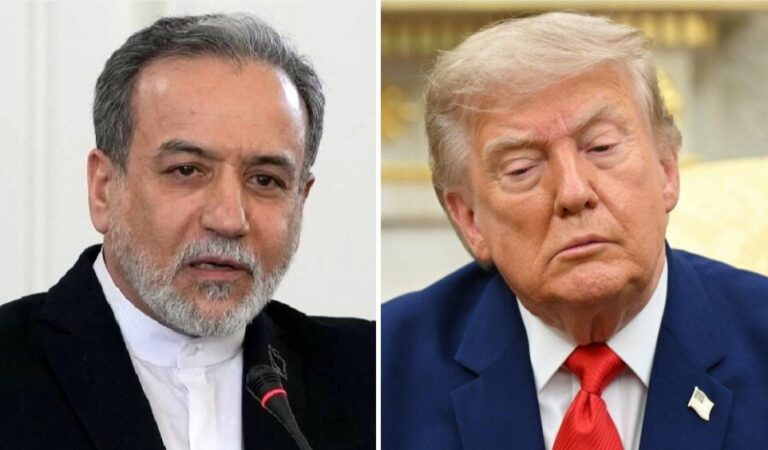
On Thursday, the UN Security Council failed to pass a US resolution during a meeting on non-proliferation. The resolution, which sought to extend the UN’s ability to assess Iran’s compliance with international nuclear sanctions, was vetoed by China and Russia (photo). The resolution raised concerns about whether it could become the basis for another US-Israeli military campaign against Iran, as happened in June 2025 after an IAEA board resolution against Iran was followed by Israeli and US military strikes the next day.
Iran’s nuclear dispute has entered a new and potentially more dangerous phase. Repeated US and Israeli threats of further strikes on Iran’s nuclear infrastructure—particularly the newly identified underground complex of Kuh-e Kolang (literally “pickaxe mountain”), whose construction Iran publicly announced in 2020—are converging with mounting diplomatic pressure. The International Atomic Energy Agency (IAEA) has again found Tehran in non-compliance with its safeguard obligations, with Iran’s nuclear file returning to the UN Security Council.
Unlike previous crises, two parallel legal tracks are now converging. Europe’s initiative in 2025 to trigger the “snapback” mechanism under UN Security Council Resolution 2231, which allows a participant to the Joint Comprehensive Plan of Action (JCPOA) to notify the Security Council of significant Iranian non-performance and, if the Council does not act within 30 days, automatically reimposes the UN sanctions that had been lifted under the nuclear agreement. In addition, the IAEA’s referral to the Security Council of Iran’s alleged non-compliance with the Nuclear Non-Proliferation Treaty (NPT).
Together, these developments could redefine Iran’s nuclear file as a threat to international peace and security, potentially opening the way to sanctions and, under certain circumstances, measures under the UN Charter. On Thursday, however, China and Russia blocked a US resolution at the UN to keep monitoring sanctions on Iran’s nuclear program and further isolate the Islamic Republic. The two permanent members of the Security Council also rejected the “snapback” mechanism against Iran, which Russian UN Ambassador Vassily Nebenzia said had no legal basis.
The renewed referral of Tehran’s nuclear dossier to the UN Security Council, in particular, raises a critical question: Could it once again become the legal and political prelude to another US-Israeli military campaign against Iran—one that would allow President Donald Trump to claim his own “mission accomplished” moment?
The concern is not hypothetical. In June 2025, an IAEA board resolution against Iran was followed within 24 hours by Israeli and US military strikes. Iranian Foreign Minister Abbas Araghchi called the IAEA and its director general, Rafael Grossi, “fully responsible” for the attack on Iran.
Iran’s nuclear file is no longer merely a technical or legal issue. It has become a geopolitical contest over regional order, energy security, and the future of relations between Iran and the West. The central dispute is about Iran’s geopolitical role, the future of the Islamic Republic, and the realization of Israeli Prime Minister Benjamin Netanyahu’s repeatedly stated vision of a “New Middle East”—without Iran.
Preventing a far more dangerous confrontation requires replacing war, coercion, and regime-change policies with a comprehensive diplomatic settlement—one that addresses not only the nuclear issue but also regional security, freedom of navigation in the Persian Gulf, and replaces Israel-Iran mutual military-security and existential threats with a stable framework for peaceful coexistence. Only such an approach offers a realistic path to ending nearly five decades of recurring confrontation.
Is the nuclear program really the central issue? As legal and diplomatic pressure has intensified, statements by senior US officials have reinforced Tehran’s belief that the nuclear issue itself is no longer the ultimate objective. US Treasury Secretary Scott Bessent said a new series of economic measures will “collapse” the Iranian government, urging countries to join the effort.
Recent developments expose a striking strategic inconsistency. Washington is willing to accept uranium enrichment in Saudi Arabia under a civilian nuclear cooperation framework. It continues to tolerate Israel’s undeclared nuclear arsenal. And it now treats North Korea as a negotiating partner despite its withdrawal from the NPT and acquisition of nuclear weapons. Still, Iran remains subject to one of the most comprehensive nuclear-related sanctions regimes in modern history, which are accompanied by repeated military threats and explicit calls for regime change.
Many in Tehran increasingly interpret the current trajectory through the prism of Iraq in 2003, when US forces toppled Saddam Hussein’s regime, and the search intensified for evidence of Iraq’s alleged “weapons of mass destruction.” But the weapons were nowhere to be found.
After diplomacy, sanctions, covert operations, and military force failed to achieve Washington’s key objectives, the United States launched “Economic D-Day” against Iran—an unprecedented campaign of economic warfare including “sea and air blockade.” Its apparent objective is to combine financial coercion, international isolation, and the threat of further military action to weaken Iran’s economy, destabilize the state, and ultimately bring about regime change.
President Trump’s own remarks have further reinforced this perception. “If Iran had a nuclear weapon, I’d be calling the Supreme Leader and I’d be saying, ‘Mr. Supreme Leader, how are you, sir? Is there anything we can do for you?’—as opposed to bombing the crap out of him,” he said. For many within Iran’s political and security establishment, such statements reinforce an increasingly influential conclusion: Possessing nuclear weapons may constitute the only truly effective deterrent against externally imposed regime change.
However, the military confrontations of 2025 and 2026 imposed high costs on all sides. The wars also contributed to unprecedented volatility in global energy markets. Oil prices soared to over $100 per barrel, heightened threats to maritime security, exposed the vulnerability of US military bases throughout the region, and raised growing concerns over the security of critical energy infrastructure across the Persian Gulf. The wars inflicted hundreds of billions of dollars in economic damage on Iran—which the United States said it would cover as part of the memorandum of understanding signed in June—and left tens of thousands dead and wounded, underscoring the enormous human and financial toll of the continued military confrontation.
At the same time, Iran’s parliament has begun considering emergency legislation that could ultimately lead to Iran’s withdrawal from the NPT. Many within Iran increasingly argue that continued adherence to the treaty has become a source of national insecurity, and many in Tehran view the IAEA as having been transformed into an instrument facilitating US and Israeli military pressure. The Agency’s resolution served as justification utilized by the United States and Israel to initiate their bombing campaign in June 2025. Now, Iranian lawmakers are stepping up calls for a tougher nuclear stance toward the United States, with a spokesman for the Iranian parliament’s presiding board saying that only the “logic of power” works in dealing with Washington.
Moreover, last week, the Houthi fighters reached Perim Island—which divides Bab el-Mandeb, the gateway into the Red Sea, into two shipping lanes—thereby completing the takeover of the strait by an ally of Tehran. Together with Iran’s Hormuz blockade, this puts roughly a third of the world’s seaborne trade under hostile control.
A way out of the deadlock. Let’s be clear. Neither sanctions nor military force can provide a durable solution to the current crisis.
The first step should be for Washington and Tehran to return to the Islamabad memorandum of understanding (MoU) signed on June 17 and to immediately resume direct negotiations. In the Islamabad MoU, Iran committed to not procure or develop nuclear weapons, address its stockpiled enriched material through a mutually agreed mechanism with on-site down-blending under IAEA supervision as the minimum methodology, and maintain the existing status quo of its nuclear program pending a final deal. The MoU also envisaged negotiations on enrichment and other aspects of Iran’s nuclear needs, with the final arrangements to be confirmed in a subsequent agreement. However, properly implemented, the Islamabad framework could evolve beyond a temporary understanding into a comprehensive grand bargain capable of addressing not only the nuclear dispute but also the broader regional security architecture.
A second step could be for both governments to negotiate a new comprehensive bilateral nuclear treaty rather than pursuing another temporary political arrangement vulnerable to future political change. Under such a treaty, Iran would permanently renounce nuclear weapons while preserving its internationally recognized right to peaceful nuclear technology under the NPT. In return, the United States would permanently remove nuclear-related sanctions. Ratification by both the US Congress and the Iranian Parliament would provide a level of political durability that previous agreements never achieved.
In addition, Iran and the Arab states of the Persian Gulf should establish a joint comprehensive framework for security and cooperation. Such a framework should guarantee maritime security, regional cooperation, and the uninterrupted flow of global energy supplies. It should also incorporate a multilateral regional nuclear consortium for uranium enrichment and fuel-cycle services, as some of us proposed before the start of the current conflict, in June 2025. Such a regional consortium would allow all states in the Persian Gulf to benefit from peaceful nuclear technology under joint ownership, international oversight, and the highest non-proliferation standards. It could also transform nuclear competition into regional cooperation while providing a durable foundation for a comprehensive nuclear settlement.
The Strait of Hormuz lies within the territorial waters of Iran and Oman. The two countries have already reached an understanding on mechanisms to ensure freedom of navigation through the strait. The United States and the wider regional and international community should now support this regional framework rather than undermine it.